
Cars, especially older ones, exhibit a wide range of symptoms with varying causes for concern. However, when it shakes at idle and smooths out while driving, you may feel a bit dumbfounded. Shakes or vibrations may appear minor, but they are important indicators of the car’s condition and could be signaling more significant underlying problems.
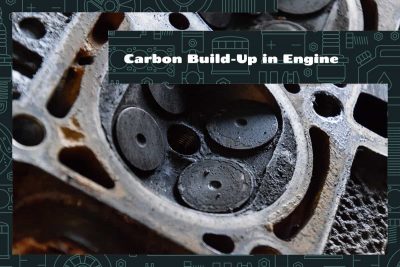
Carbon build-up in an engine is a widespread automotive issue that can hinder your vehicle’s performance over time. While this might seem like a technical concern only mechanics need to worry about, it has a real impact on your vehicle. A clear understanding of carbon build-up can help you better maintain your vehicle and address potential problems early.

0W20 and 5W30 engine oils primarily differ in their viscosity levels and cold-temperature performance: 0W20 is a lower-viscosity oil, great for colder temperatures, and typically provides better fuel efficiency. 5W30, on the other hand, has a higher viscosity, making it more suited for warmer climates and older vehicles that require thicker oil.

Experiencing a hesitation when starting your car can be a worrying sign for any motorist. A car’s inability to start immediately may be a symptom of a larger problem. This delay, often characterized by stuttering noises or a period of inactivity before the engine fires up, can stem from various causes.

The symptoms of a bad flywheel can be diverse, but there are some key signs to look out for. These include difficulties or stiffness while shifting gears, unexpected gear slippage, unusual clutch vibrations, and peculiar noises, such as rattling or clunking, during gear shifts or when starting the engine.

The sudden and unexpected shutdown of a car while it’s idling can hint at potential underlying problems you should address promptly. This issue can stem from various sources, be it a simple glitch or a more complex mechanical failure.

White smoke from your car’s exhaust is typically caused by the burning of coolant or transmission fluid inside the engine, often indicating a leak. Addressing this issue involves diagnosing the problem, potentially involving a mechanic, and taking appropriate steps to repair the leak.

A resonator delete is a modification where the resonator, a component of the exhaust system, is removed to alter the vehicle’s exhaust note and possibly enhance performance. The average cost for a professional resonator delete varies, ranging typically between $100 and $400.

Bad clock spring symptoms include non-working horn, cruise control problems, airbag warning lights, or difficulties in steering. The average replacement cost for a bad clock spring typically ranges between $200 to $350, including parts and labor.

A car that starts then shuts off immediately is a frustrating problem that leaves many drivers puzzled. This issue is indicative of several potential malfunctions in your car’s internal systems. Such irregularities, while initially may seem perplexing, can be demystified with some basic automotive knowledge and diagnostic skills.
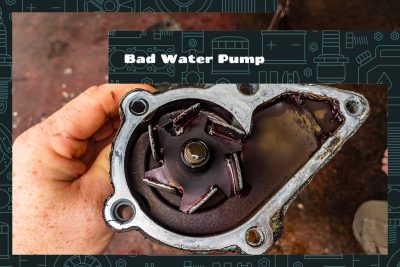
In the complex world of automotive mechanics, the water pump holds a crucial role. This unsung hero of your car helps regulate engine temperature by circulating coolant. Its proper functioning keeps your car running smoothly, thus ensuring that you don’t have to face an unexpected breakdown on a lonely stretch of road. Despite its essential role, understanding the water pump and its potential issues often gets overlooked.
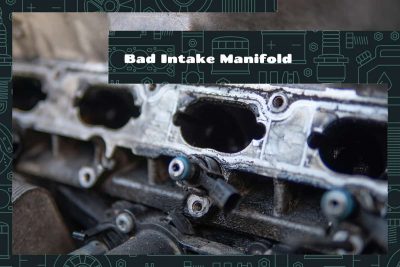
Every car enthusiast knows the importance of an intake manifold. As the conduit that efficiently guides air from the car’s intake to its engine cylinders, a well-functioning intake manifold is key to optimal engine performance. However, like any other component of your vehicle, it is susceptible to wear and tear over time.