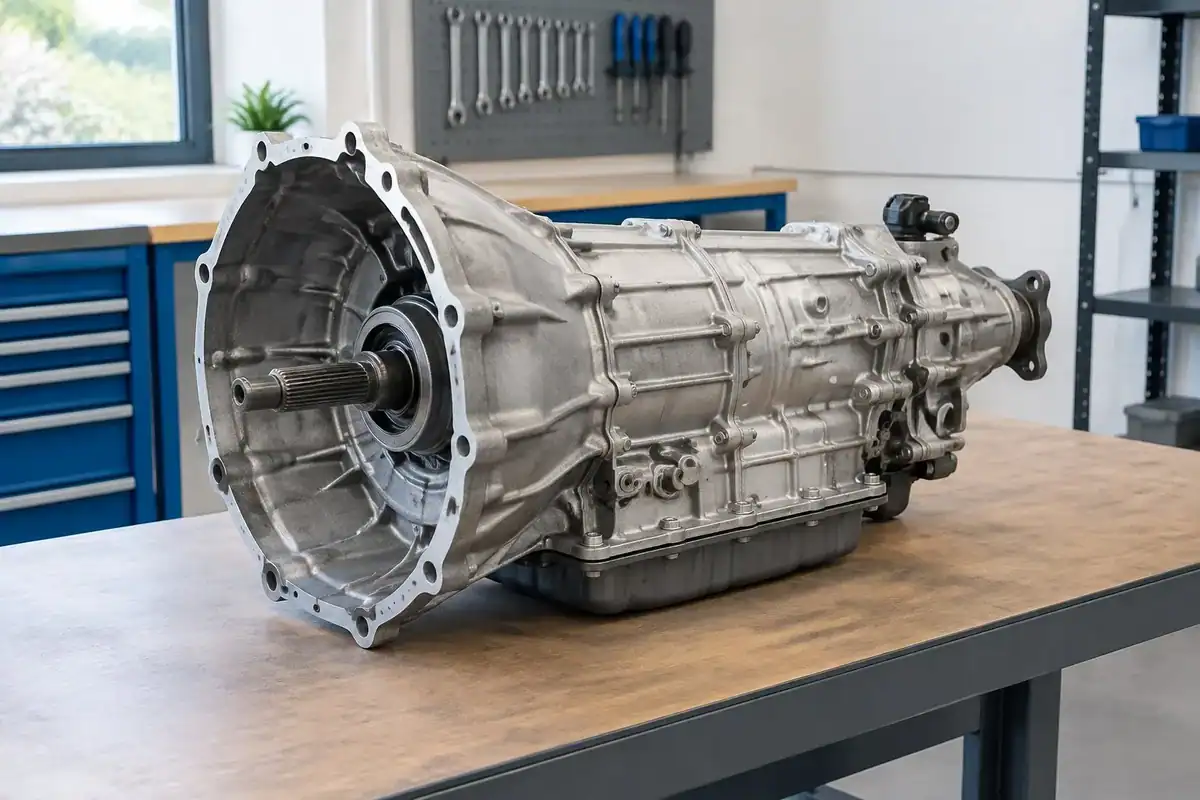
If your Chevy with a 6L80 transmission is shuddering between 40 and 70 mph, you are likely experiencing a known issue related to the torque converter clutch or fluid condition. General Motors has issued specific service bulletins addressing this exact behavior, confirming that a vibration during light throttle acceleration is a documented fault rather than a mystery.
The most direct fix often involves inspecting the transmission fluid for contamination and, if necessary, replacing the torque converter. Because this involves internal drivetrain components, accurate diagnosis is critical to avoid unnecessary costs or missing the root cause before it spreads.
Recognizing the Symptom: Vibration at 40–70 MPH
The first step in diagnosing a 6L80 issue is identifying whether your specific symptoms match the documented profile. Owners often describe this as a “rumble strip” sensation or a low vibration that shakes the cabin or the wheel. It is not a constant hum; rather, it is rhythmic and tied to specific driving conditions.
The “Rumble Strip” Sensation
Many drivers describe the feeling as a vibration or rumble-strip sensation that occurs while cruising or accelerating lightly. It may appear when the torque converter clutch attempts to lock and can disappear when throttle position or vehicle speed changes. If you lift off the gas pedal and the shaking stops, or if it only returns when you gently resume acceleration, this is a strong indicator of a torque converter clutch (TCC) issue.
Steady-State Driving Conditions
Official service documentation specifies this symptom occurs during light throttle acceleration between 40 and 128 km/h (25 and 80 mph) in steady-state driving when the transmission is not actively shifting gears. This distinction is crucial. If your truck shakes every time it changes gears, that is a different problem. The 6L80 shudder specifically happens when the vehicle is in a fixed gear, the throttle is steady, and the torque converter is engaged.
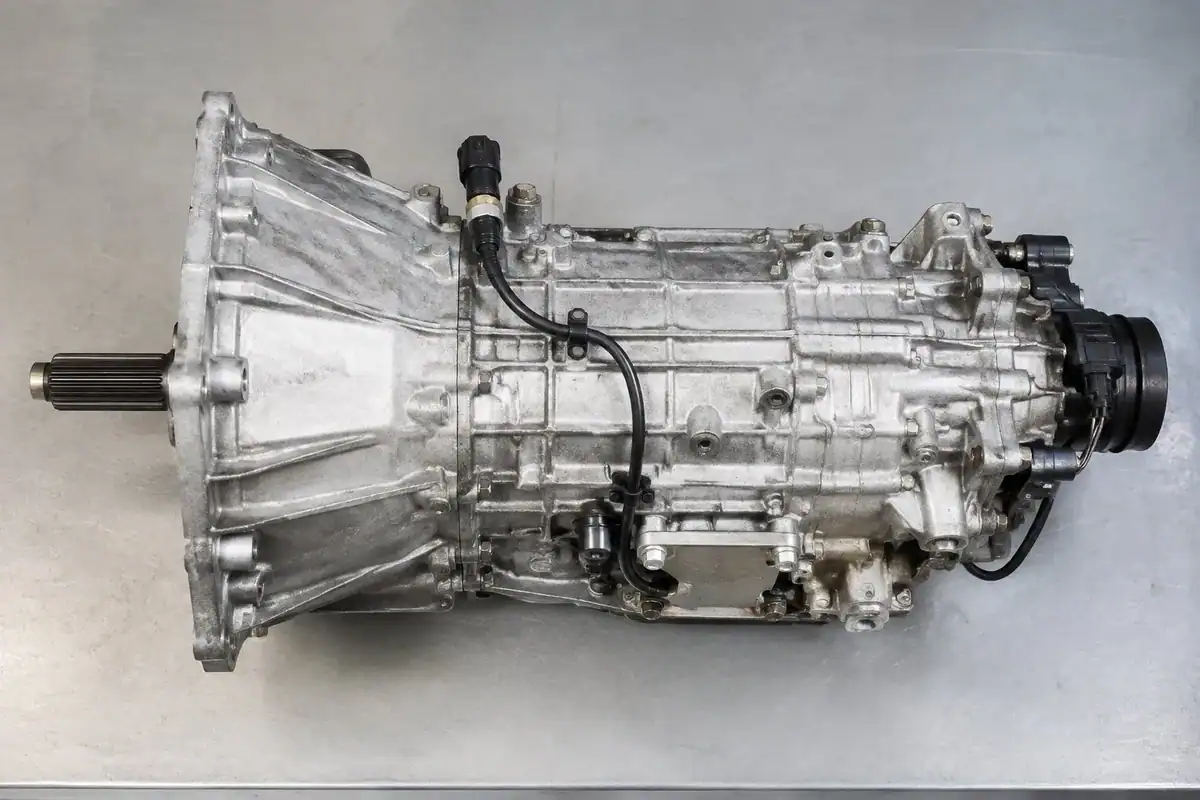
Official General Motors Service Bulletins
General Motors has formally addressed this issue through two primary technical service bulletins (TSBs). These documents provide the framework for what is considered a defect versus normal wear, and they outline the approved corrective actions.
TSB 19-NA-018: Shudder and Shake
Bulletin 19-NA-018 explicitly describes a shake and/or shudder during light throttle acceleration between 25 and 80 mph. This bulletin is central to the diagnosis because it defines the acceptable operating parameters. It instructs technicians on how to verify the issue by monitoring transmission behavior under these specific steady-state conditions. This bulletin is often the starting point for warranty claims or dealer verification.
TSB 20-NA-142: Torque Converter Shudder
Bulletin 20-NA-142 addresses a shudder or surging condition specifically while driving in certain Chevrolet and GMC models with 50,000 km (30,000 miles) or less. This bulletin is significant because it targets newer vehicles, suggesting a manufacturing or early-life failure pattern rather than just age-related wear. It outlines diagnosis and corrective actions, including replacing the torque converter and transmission oil filter if metallic debris is present. This mileage threshold is a key factor in determining if your vehicle falls under the specific scope of this bulletin.
Decoding Diagnostic Trouble Codes (DTCs)
While the shudder is a physical symptom, the computer may also be logging errors. Understanding these codes helps confirm the source of the vibration.
P0741: Torque Converter Clutch (TCC) Slipping
The P0741 code indicates the torque converter clutch is slipping or failing to engage. This is one of the most common 6L80 transmission problems and is often linked to torque converter shudder. When the TCC fails to lock up correctly at highway speeds, the fluid friction inside the converter creates the vibration you feel. A P0741 code combined with the 40–70 mph shudder is a classic signature of torque converter failure.
P0218: Transmission Fluid Over Temperature
The P0218 code signals that transmission fluid temperature has exceeded safe operating limits. While heat is a byproduct of poor fluid circulation or clutch slippage, it is a secondary indicator. A failing torque converter generates excess heat due to friction, which can trigger this code. Monitoring temperature via a scan tool can confirm if the shudder is being caused by excessive internal drag.
Root Causes: Torque Converter and Fluid Degradation
Understanding why the shudder happens helps you prepare for the repair. The two main culprits are mechanical failure within the converter and the condition of the fluid itself.
Torque Converter Friction Material Failure
The torque converter uses friction material on its clutch plates to lock up and provide a direct connection to the transmission. Over time, or due to manufacturing defects, this material can shed. When small particles of friction material break away, they circulate in the fluid, causing inconsistent locking and the resulting shudder. This is a mechanical failure that cannot be fixed by a simple fluid change.
Fluid Degradation and Debris
The health of the transmission fluid is the first thing to check. The 6L80 is sensitive to the condition of the ATF. If the fluid is burnt, contaminated with metal shavings, or has the wrong viscosity, the hydraulic systems cannot modulate the torque converter correctly. Debris in the fluid can block the small passages in the valve body, leading to erratic pressure and shudder.
Documented Diagnostic and Corrective Steps
Based on the service bulletins and expert guidance, here are the verified steps for addressing the issue. Note that these are professional procedures. A qualified technician should perform the disassembly and replacement.
Fluid Inspection and Replacement
The initial diagnostic step involves draining and inspecting the transmission fluid. Technicians look for metallic debris or a burnt smell. If the fluid is contaminated, a replacement is necessary to protect the valve body.
However, fluid service may improve certain conditions when fluid degradation is contributing to poor converter clutch operation, but it cannot restore mechanically damaged friction material. If the fluid is clean but the shudder persists, the fault is likely internal to the converter.
Torque Converter and Filter Replacement
For confirmed mechanical failures, the corrective action per TSB 20-NA-142 includes replacing the torque converter and the transmission oil filter if metallic debris is present. Replacing the filter is critical because it acts as the primary barrier against debris circulating through the new or existing pump. The use of the correct fluid is also mandated by the bulletins to ensure proper lubrication and clutch operation post-repair.
Scope Limitations and Professional Diagnostics
It is important to manage expectations regarding DIY fixes. While you can scan for codes, the physical repair of a shuddering 6L80 is a major job.
When Fluid Service Is Insufficient
Changing the fluid is a low-risk, low-cost test. If you change the fluid and the shudder stops, you saved yourself a transmission rebuild. However, if the friction material has already failed, new fluid will simply circulate the old debris, potentially causing more damage. Fluid service is a diagnostic tool, not a guaranteed cure for a failed converter.
Avoiding Unverified Fixes
You may see suggestions to use additives or to adjust valve body springs. These are not part of the documented GM corrective action for this specific shudder. Sticking to the verified paths—fluid inspection, converter replacement, and filter service—ensures you are addressing the root cause identified by the manufacturer.
Conclusion: Preventing Major Repairs
If your Chevy 6L80 is shuddering at 40–70 mph, take it seriously. It is a documented issue with a known remedy. Start by getting a diagnostic scan to check for P0741 or P0218 codes and by having a professional inspect the fluid for debris. If debris is found, proceed with the torque converter and filter replacement as outlined in the service bulletins.
Ignoring the shudder can lead to debris contaminating the entire valve body, turning a converter replacement into a full transmission rebuild. Early action is the most effective way to resolve the issue.